Why Built In Microwave Over Oven Is Tougher Than You Think
built in microwave of a Built in Microwave Over Oven A built-in microwave over an oven allows you to cook and heat food quickly and easily. GE provides a variety of styles, cooking technologies and control options that can be adapted to your kitchen. Countertop microwaves sit on the counter and plug into outlets and built-in models are installed on a recessed wall or in cabinets to create an elegant, integrated look. These styles require professional installation. Space Saver The microwave is among the most commonly used appliances in a kitchen, but it can also consume valuable counter space. There are plenty of smart ways to make the most of your countertop space by moving the microwave to a different place, such as a kitchen island or recessing it into the wall. One of the most popular choices is an over-the-range (OTR) microwave. This model is tucked away above your stovetop can be extremely useful in kitchens that are small and have little space. Plus some OTR models can double as a vent hood to your cooktop, which can be helpful in reducing steam buildup. Installing a microwave integrated into your cabinetry will make space. This option provides an elegant, seamless appearance that will match the kitchen cabinets and fixtures in color, finish, or style. It can also help to create a more minimalist look in your kitchen, which is perfect for homeowners who prefer minimalist and clear design. However, installing a built-in microwave may require professional installation or a renovation of your kitchen. You might be able depending on the layout of your home to make a hole in a wall to install the appliance. However it will require professional framing and strengthening. In addition, microwaves with built-ins require adequate ventilation to ensure that they don't overheat and damage the appliance. According to built in microwaves , vice president of R. M. Tunis Kitchens and Baths in Chevy Chase, Maryland, the minimum cabinet depth for a microwave built-in is around 15 inches. However, some manufacturers offer trim kits that offer up to 1 ½ inches of extra space for ventilation. A drawer-style microwave can be set up under the counter or in an island. This configuration is easy-to-access, suitable for all and requires less counter space. It also stops hot dishes from falling off the edge or being knocked down. A final consideration for a space-saving microwave is its door design. Many brands offer a door that can be opened in the same manner as other kitchen appliances, including dropping-down or slide-out. This lets you integrate your microwave seamlessly into your cooking process. Some models have an elegant, smooth exterior that is resistant to fingerprints for a cleaner and more attractive appearance. Convenience A built-in microwave that is over the oven has a stylish, convenient and easy-to-clean design. They are typically placed at eye-level for easier access and are equipped with turntables to make it less necessary to move food from one plate to another. Built-in microwaves are often equipped with features that improve their functionality, such as EasyConvection technology for oven conversion and a broiler element which can brown or crisp food items. A built-in microwave that is integrated into the oven can save you counter space and also increase the value of your home by giving it a sleek and high-end appearance that other appliances may not be able to match. These microwaves can be installed on top of your stove or in a separate cupboard. They seamlessly blend into the kitchen to give the appearance of a custom-designed appearance that shows how much you've invested in your home and kitchen. Built-in microwaves and ovens are available in a broad variety of dimensions, power levels and features to fit any kitchen layout. Install them under the counter in drawers to create an elegant look that fits snugly within the cabinetry. It doesn't require any additional space. These microwaves, with their luxurious designs and top-of-the-line functions can enhance the appearance of your kitchen and your dining and cooking experiences. Although microwaves with built-in microwaves over ovens are convenient but they aren't as versatile as the microwaves that stand alone. Depending on the place you install your microwave, it will require more space to operate than other microwaves. In addition, they're not as portable and you won't have the ability to easily switch out the model for a new one if you prefer something different. If you install your microwave above your range, you'll need an extra kitchen space to accommodate the ventilation system required by this configuration. You'll need an option for ducting that directs smoke to the outside or a ventilation system that recirculates air through the microwave into the home. For smaller kitchens think about an additional built-in microwave that can be incorporated inside a cabinet, wall or island. Convenient Controls Microwaves have a wide range of controls based on the model. Some features include turntables presets like defrosting or reheating, and buttons that can last for up to 30 seconds. Certain models come with safety features for children that stop accidental use of the appliance. built in microwaves come with pre-made recipes and cooking times that make the process of making meals more efficient and less time-consuming. This feature is helpful for those who are just beginning to cook and are unsure of how long to cook specific food items or who are unfamiliar with the specific cooking techniques that are used in different cuisines. KitchenAid brand offers a wide range of built-in and over-the-range microwaves that are designed to complement the style and appearance of your other appliances for an integrated look to your kitchen. There's a variety of stainless steel models, and black finishes to match the style of your kitchen. These premium microwaves are boldly designed to bring professional-inspired styles into your home, and they're made with high-quality materials for a longer lifespan. Built-in microwaves, in contrast to countertop models, are installed in a fixed area of your kitchen cabinets or walls for sleek and distinctive appearance. The internal components are generally identical to those of regular countertop models with the exception of. These models are available in various sizes, including those designed to fit in a compact space and their exteriors can feature a door that opens either in a right-to-left swing-out or drop-down fashion. Some microwaves that are over-the-range like those made by Whirlpool®, even double as vent hoods to your kitchen stove. They have an exhaust system built-in to vent fumes outside and recirculate air. Some microwaves come with charcoal filters that get rid of odors and moisture in your kitchen. Countertop models are positioned on the kitchen counter. They don't need venting or a special installation. This makes them a good choice for people who rent their homes or want to stay clear of costly modifications to their kitchens. Some models come with trim kits that can be used to close the gap between a microwave and other countertop appliances like coffee pots, toaster ovens or bread makers. Energy Efficiency Microwaves are more efficient at heating food and water compared to other cooking methods. They also consume less energy than conventional stovetop ovens because they focus the microwaves' energy on the liquid within instead of heating the air or other elements around it. Because of this, they can heat food much faster than a conventional oven. They can be installed in the upper or lower cabinets, and are available with retro or contemporary styles to fit any kitchen design. In this supplemental notice of proposed rulemaking (“SNOPR”) The Office of Energy Efficiency and Renewable Energy (DOE) proposes new or amended energy conservation standards for microwave ovens, which will reduce the cost of operating costs. The Energy Policy and Conservation Act (“EPCA”) requires DOE to evaluate on a regular basis whether more-stringent standards would be economically feasible and technologically feasible and could result in significant energy savings. This SNOPR includes the analyses and results that DOE carried out to assess the impact on consumers of the new or revised energy conservation standards for microwave ovens. The analysis includes a market and technology assessment and screening analysis as well as an engineering analysis and national impacts analysis. 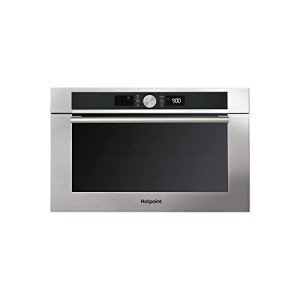 The energy use analysis calculates annual average microwave oven operating hours in representative sampled homes. This analysis is the basis of the energy savings assessments as well as the other consumer analysis in this SNOPR. The analysis is made using RECS field data from a variety of regions and takes into consideration the different patterns of usage of microwave ovens across different households and the variation in regional electricity prices. To evaluate the impact of new or modified standards on household operating costs, DOE conducted LCC and PBP analyses to determine the cost over time of purchasing and using microwave ovens at different efficiency levels. The LCC and PBP calculations are built on the computer model that utilizes a Monte Carlo simulation to incorporate uncertainty and variability into the analyses. This SNOPR includes an evaluation of the impact of amended or new standards on the national level, based on the NIA spreadsheet. The NIA model calculates the industry's net present value (INPV) in terms of energy savings from potential amended or a new standard in terms of savings on energy consumption at the site and FFC savings.